“The important thing is to never stop questioning”
- Albert Einstein
Intent
At Olga Primary School, our Science curriculum is designed to inspire curiosity and wonder about the natural world and the principles that govern it. We aim to equip pupils with a solid foundation of scientific knowledge and enquiry skills, enabling them to ask questions, investigate phenomena, and think critically about the world around them.
Our curriculum fosters a spirit of kindness, encouraging respect for living things and the environment, and courage, inspiring pupils to explore new ideas and persevere in solving problems through scientific thinking.
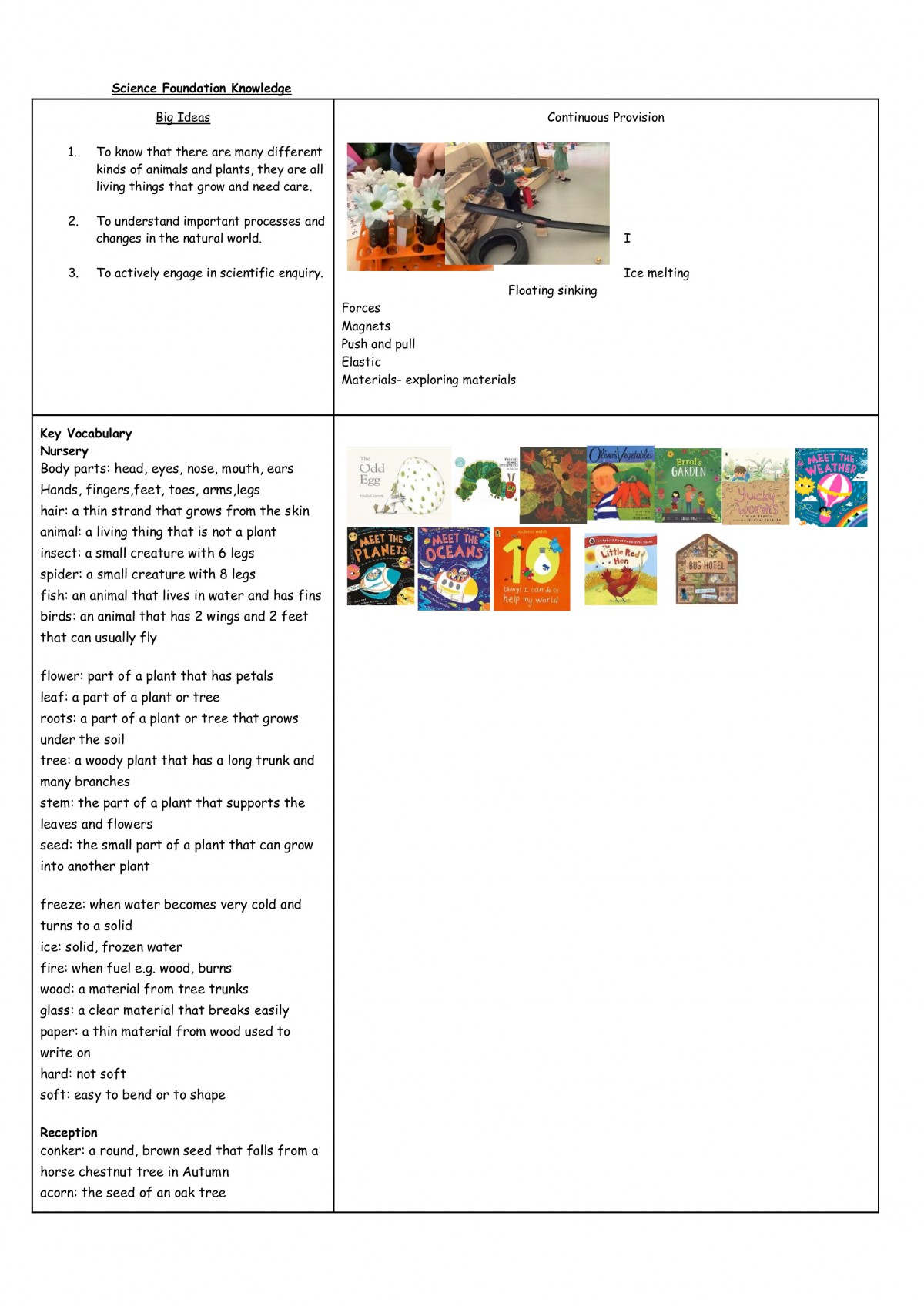
We follow the National Curriculum’s aims by providing pupils with a broad and balanced science education that covers key topics such as plants, animals, forces, materials, earth and space, and scientific processes.
- Pupils will develop a deep understanding of scientific concepts and vocabulary.
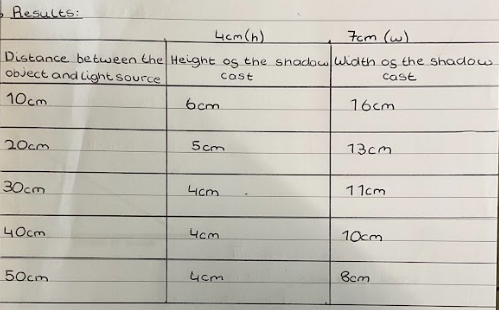
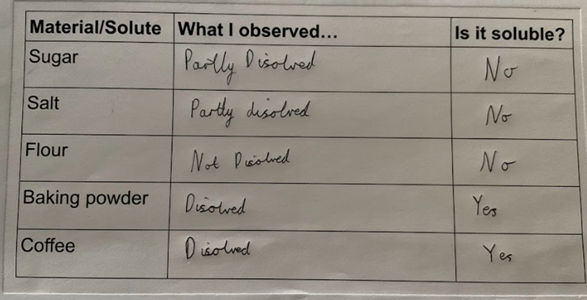
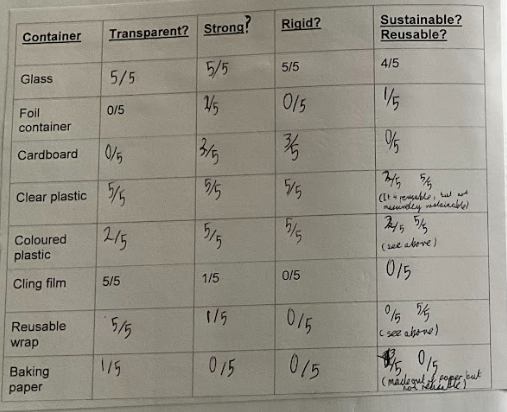
- They will acquire the skills to conduct systematic investigations and accurately record and interpret data.
- They will learn to connect scientific knowledge to everyday life and future scientific learning.
Our intent is to nurture confident, knowledgeable, and responsible young scientists who are prepared to make thoughtful contributions as global citizens and lifelong learners.
Implementation
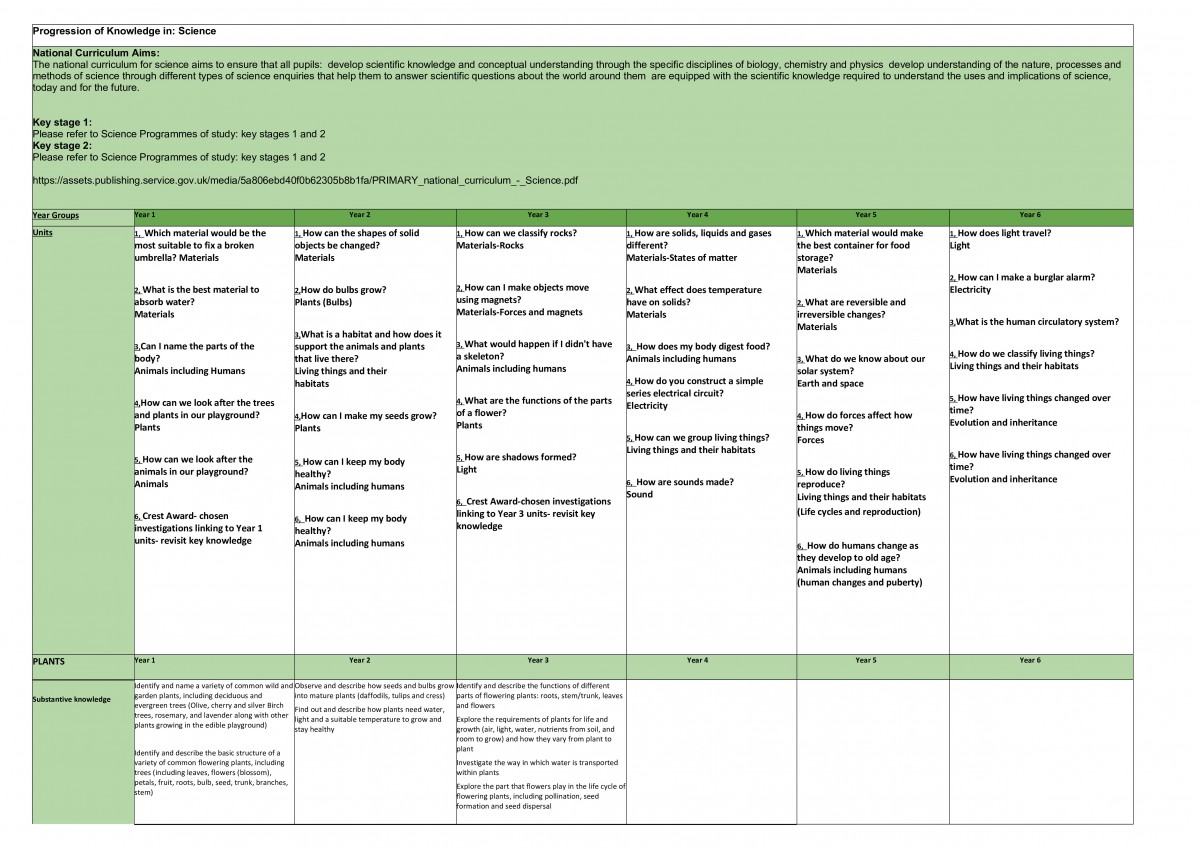
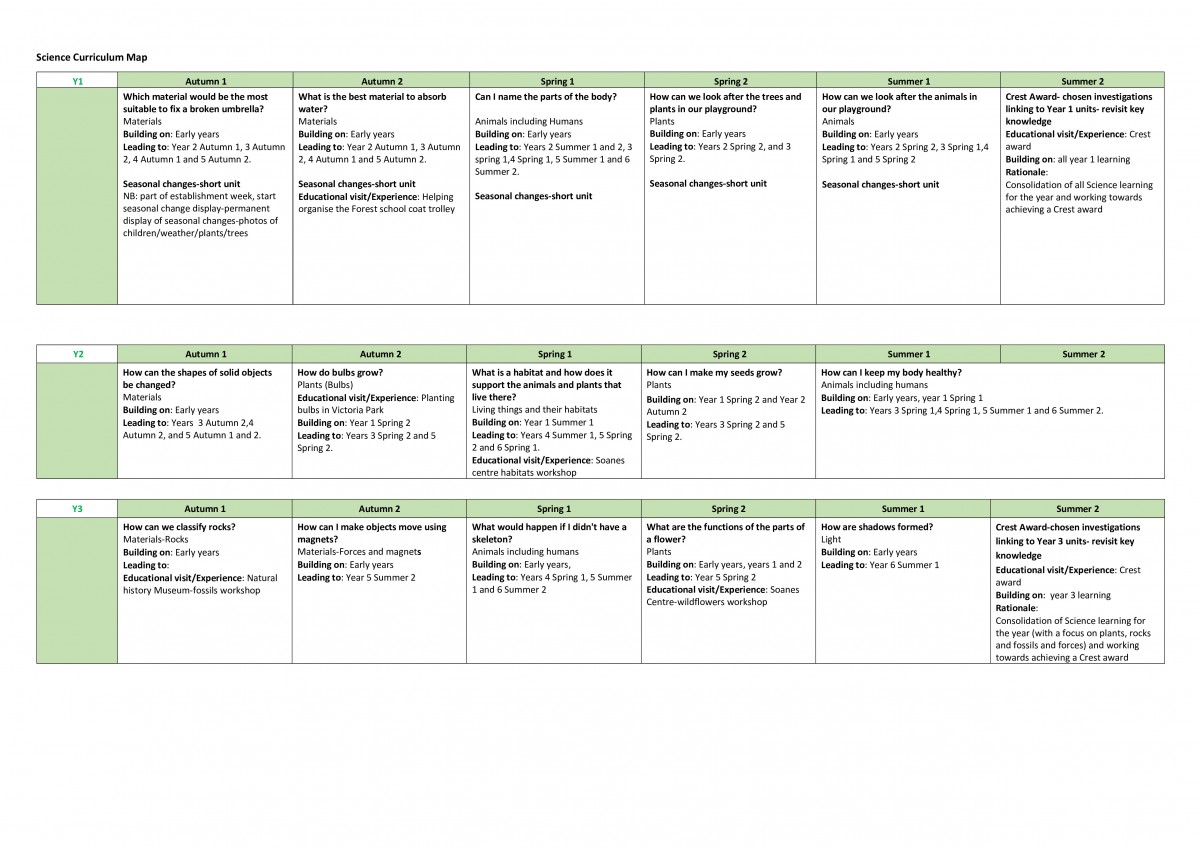
At Olga Primary School, our Science curriculum is carefully planned and sequenced to build pupils’ knowledge and scientific skills progressively from Early Years through to Year 6. Using a spiral approach, key scientific concepts are revisited with increasing complexity, allowing pupils to reinforce prior learning while making new connections and applying their understanding across units.
The curriculum covers all areas of the National Curriculum for Science, including:
- Plants
- Animals, including humans
- States of Matter
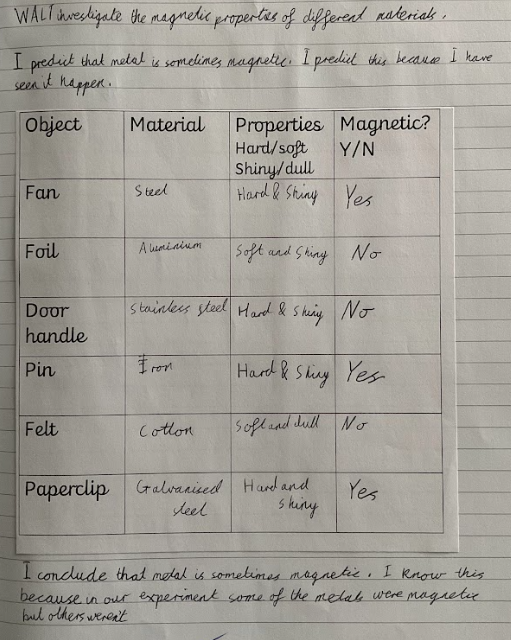
- Forces and Magnets
- Living Things and Their Habitats
- Rocks
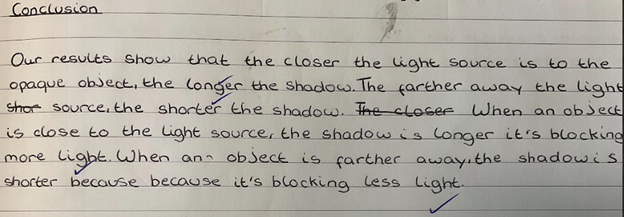
- Light
- Electricity
- Earth and Space
- Evolution and Inheritance
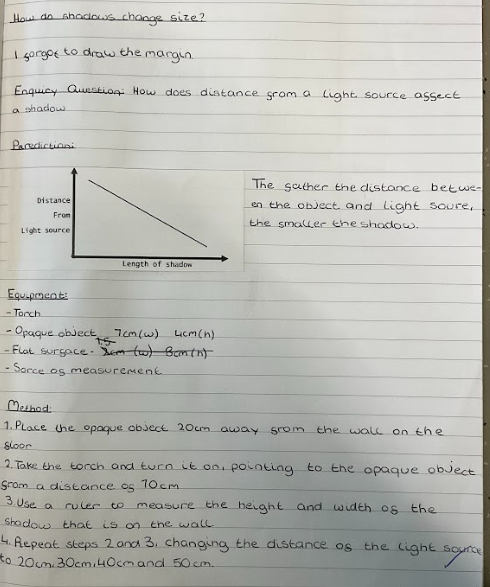
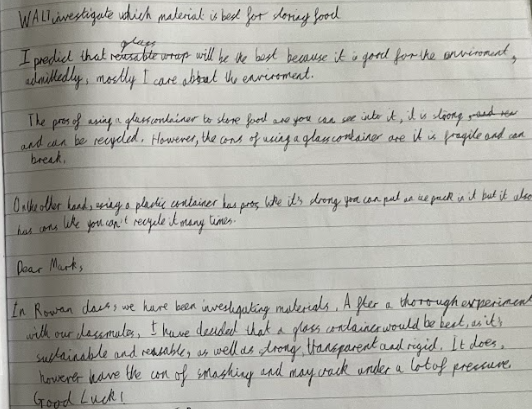
Each unit is designed with clear learning objectives and broken into manageable knowledge and skill components, ensuring a solid foundation is built year on year. Lessons combine scientific knowledge with practical investigation, encouraging pupils to ask questions, make predictions, and carry out experiments to develop their scientific enquiry skills.
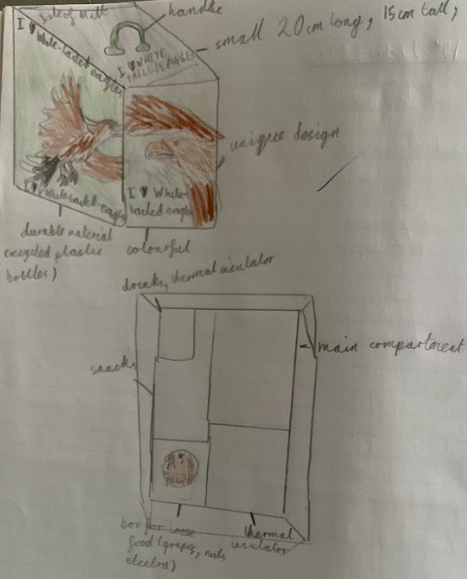
We promote active learning by providing opportunities for hands-on activities, exploration, and use of scientific equipment. Pupils are encouraged to observe carefully, gather data, and communicate their findings using appropriate scientific language and diagrams.
To enrich learning, where possible, we enhance lessons with visits, workshops, and real-world contexts to bring science to life.
Our curriculum also reflects our commitment to inclusivity and diversity, ensuring pupils encounter diverse scientific contributions and applications that represent different cultures and communities. This supports an environment where all pupils feel represented and empowered to engage in science.
Through this thoughtfully sequenced, practical, and inclusive approach, pupils develop a deep and lasting understanding of science, preparing them to become curious, confident, and responsible future scientists and global citizens.
Impact